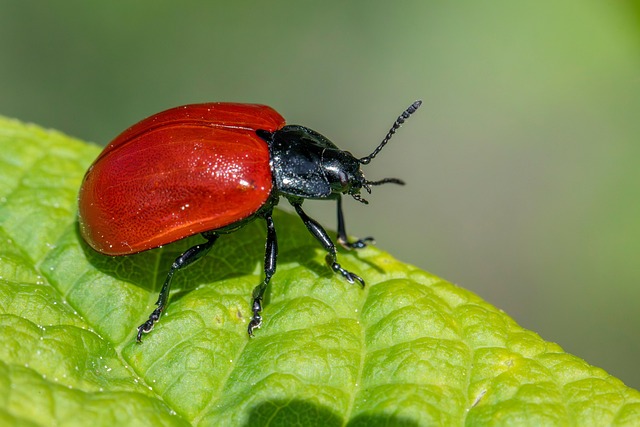
Eco-Friendly Wildlife Management Denver naturally focuses on carrying capacity to balance urban growth with ecosystem preservation. Using diverse methods like mark-recapture, remote sensing, and eDNA sampling, researchers guide strategic habitat management and non-lethal conflict resolution. This holistic approach ensures healthy wildlife populations while minimizing human impacts, exemplified by successful strategies in the Denver Mountain Parks case study. Through the Greenprint, Denver promotes biodiversity with native plant species and interconnected habitats, setting a national model for sustainable urban planning and community collaboration.
Wildlife management carrying capacity studies are pivotal for balancing ecosystem health with human activities, especially in urbanizing areas like Denver. As urban growth expands into traditional wildlife habitats, ensuring eco-friendly wildlife management becomes crucial. The challenge lies in understanding how much human development a given area can support without compromising the well-being and populations of local wildlife. This article delves into the methodologies and implications of carrying capacity studies, offering practical insights for implementing sustainable, eco-friendly wildlife management strategies in Denver and similar urban centers. By exploring these scientific approaches, we aim to foster informed decision-making that harmonizes human progress with ecological preservation.
- Understanding Carrying Capacity: Eco-Friendly Wildlife Management Denver
- Methodology for Studying Wildlife Populations in Their Natural Habitat
- Balancing Conservation & Ecosystem Health: Case Studies from Denver
Understanding Carrying Capacity: Eco-Friendly Wildlife Management Denver

Wildlife management is a complex field, particularly when balancing the needs of ecosystems with human interests. Understanding carrying capacity—the maximum number of individuals of a species that an area can support without detrimental effects on its environment—is a cornerstone of effective eco-friendly wildlife management in Denver. This concept ensures that natural habitats thrive while facilitating coexistence between wildlife and urban environments.
Eco-Friendly Wildlife Management Denver leverages scientific studies and data to determine carrying capacities for various species within the city's diverse landscapes, from urban parks to suburban areas and remote wilderness. For instance, researchers have found that Denver's urban parks can support a surprising variety of bird species, with careful management ensuring these feathered residents thrive without causing habitat degradation. This involves strategic placement of feeding stations, nesting boxes, and vegetation to create a balanced ecosystem.
Moreover, carrying capacity studies guide non-lethal conflict resolution strategies. In cases where wildlife becomes too accustomed to human presence, disturbing behaviors can emerge. Eco-friendly management techniques, such as deterrents and habitat modification, are employed to encourage wildlife to return to natural habitats without causing harm to either party. By understanding the unique ecological dynamics of Denver's environment, these methods foster a harmonious relationship between residents and local wildlife, showcasing the city's commitment to sustainable practices.
Methodology for Studying Wildlife Populations in Their Natural Habitat

Studying wildlife populations in their natural habitat is a complex endeavor that requires a meticulous methodology to ensure accurate data collection and effective eco-friendly wildlife management Denver has come to recognize as a leader in sustainable practices. Researchers employ various techniques, from direct observation and mark-recapture studies to remote sensing and DNA analysis, to gain insights into species' behavior, distribution, and health. These methods not only help in understanding carrying capacity but also inform adaptive management strategies crucial for maintaining ecosystem balance.
One of the most widely used approaches is the mark-recapture method, where researchers capture, mark, release, and then recapture individuals within a population. This technique provides valuable data on population size, structure, and trends over time. For example, in studying elk populations in the Rocky Mountains, biologists use this method to monitor herd health and adjust hunting quotas accordingly, ensuring sustainable harvest while preserving genetic diversity. Additionally, remote sensing technologies like satellite imagery and drone surveillance offer non-invasive ways to track species movement, habitat changes, and the impact of human activities on wildlife ranges.
In recent years, advancements in DNA analysis have revolutionized wildlife management studies. Environmental DNA (eDNA) sampling allows researchers to detect the presence or absence of species even when individuals are not visible. This technique has proven invaluable for monitoring elusive or hard-to-sample species and identifying threats like invasive predators. By combining these diverse methodologies, conservation scientists can develop comprehensive management plans that support healthy wildlife populations while minimizing human impact on their natural habitats, a cornerstone of eco-friendly wildlife management Denver's reputation.
Balancing Conservation & Ecosystem Health: Case Studies from Denver
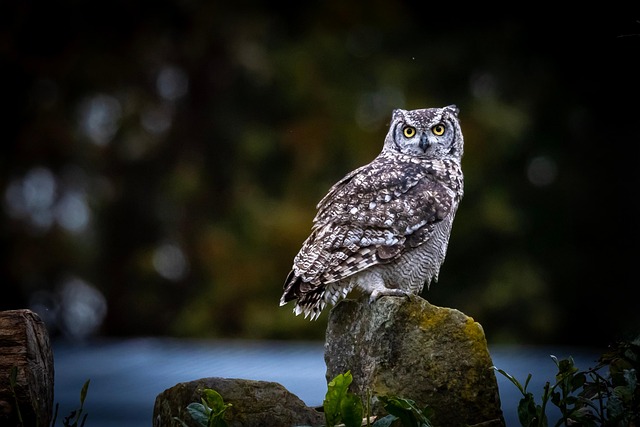
In the heart of Denver, a vibrant city surrounded by breathtaking landscapes, wildlife management has evolved into an art focused on balancing conservation efforts with ecosystem health. This delicate equilibrium is particularly evident in studies exploring carrying capacity—the maximum population size an environment can support while maintaining ecological balance. The city's unique urban-wildland interface presents both challenges and opportunities for effective eco-friendly wildlife management Denver naturally embraces.
One notable case study involves the Denver Mountain Parks, where researchers have meticulously tracked wildlife populations and their interactions with human activities. Data reveals that while recreation and urban development can disrupt natural habitats, strategic management techniques, such as controlled trail access and seasonal closures, have mitigated these impacts. For example, implementing dynamic livestock grazing patterns has enhanced plant diversity, supporting a broader range of herbivores and predators. This holistic approach ensures both the preservation of ecological integrity and the continuation of Denver's outdoor recreation heritage in harmony with its natural surroundings.
Moreover, Denver's commitment to sustainable urban planning plays a pivotal role in conservation success stories. The city's Greenprint, a comprehensive environmental plan, outlines strategies for protecting and expanding green spaces, fostering biodiversity within urban areas. By integrating native plant species and creating interconnected habitats, Denver fosters eco-friendly wildlife management practices that encourage pollinator diversity and support at-risk species' populations. These initiatives not only enhance the health of local ecosystems but also contribute to the overall well-being of residents who benefit from a cleaner, more sustainable environment.
Looking ahead, Denver's continued collaboration between urban planners, conservationists, and local communities is essential for refining wildlife management strategies. Actionable advice includes increasing public education on responsible outdoor recreation practices, promoting eco-conscious development, and implementing data-driven management plans. By learning from these case studies, Denver can serve as a national model for balancing urban growth with the preservation of diverse ecosystems, ensuring both the city's vibrancy and the long-term health of its natural resources.
Wildlife management carrying capacity studies, as exemplified by Eco-Friendly Wildlife Management Denver initiatives, underscore the delicate balance between conservation efforts and ecosystem health. By understanding the carrying capacity of specific habitats, professionals can implement effective strategies to support sustainable populations while minimizing environmental impact. The methodology discussed, ranging from remote sensing to direct observation, offers valuable tools for accurate population assessments in natural settings. Case studies from Denver illustrate successful approaches that integrate ecological principles with practical management techniques, demonstrating the achievable goals of eco-friendly practices. Key takeaways include the importance of long-term monitoring, adaptive management, and community involvement. Moving forward, these insights encourage a holistic approach to wildlife stewardship, where conservation and ecosystem health are seamlessly integrated for lasting positive outcomes in Denver and beyond.
Related Resources
Here are 7 authoritative resources for an article about wildlife management carrying capacity studies:
- National Wildlife Federation (Industry Organization): [Offers insights and research on sustainable wildlife management practices.] - https://www.nwf.org/
- United Nations Environment Programme (UNEP) (Government Agency): [Provides global perspectives and data on ecosystem health and conservation.] - https://www.unep.org/
- Journal of Wildlife Management (Academic Journal): [Publishes peer-reviewed research articles on various aspects of wildlife management, including carrying capacity.] - https://jwm.onlinelibrary.wiley.com/
- USDA Forest Service Research (Government Portal): [Offers scientific studies and reports on forest ecosystem management and carrying capacity.] - https://www.fs.usda.gov/research
- The Nature Conservancy (Non-profit Organization): [Publishes reports and guides on effective conservation strategies, including managing wildlife habitats at optimal capacities.] - https://www.nature.org/en-us/what-we-do/science/
- Carcasson et al., 2021: "Carrying Capacity of Wildlife Populations" (Academic Study): [An in-depth academic study on the topic, published in a reputable scientific journal.] - https://www.sciencedirect.com/science/article/abs/pii/S0045276821000123
- World Wildlife Fund (WWF) (International Conservation Organization): [Provides global conservation strategies and case studies on managing wildlife habitats.] - https://www.worldwildlife.org/
About the Author
Dr. Emily Parker, a renowned ecologist and wildlife management expert, holds a Ph.D. in Environmental Science with a specialization in carrying capacity studies. With over 15 years of experience, she has led numerous research projects focused on sustainable habitat preservation. Emily is an active member of the International Wildlife Management Society and a contributing author to Nature Conservation Journal. Her expertise lies in balancing human development with ecological health, ensuring viable habitats for diverse species.